
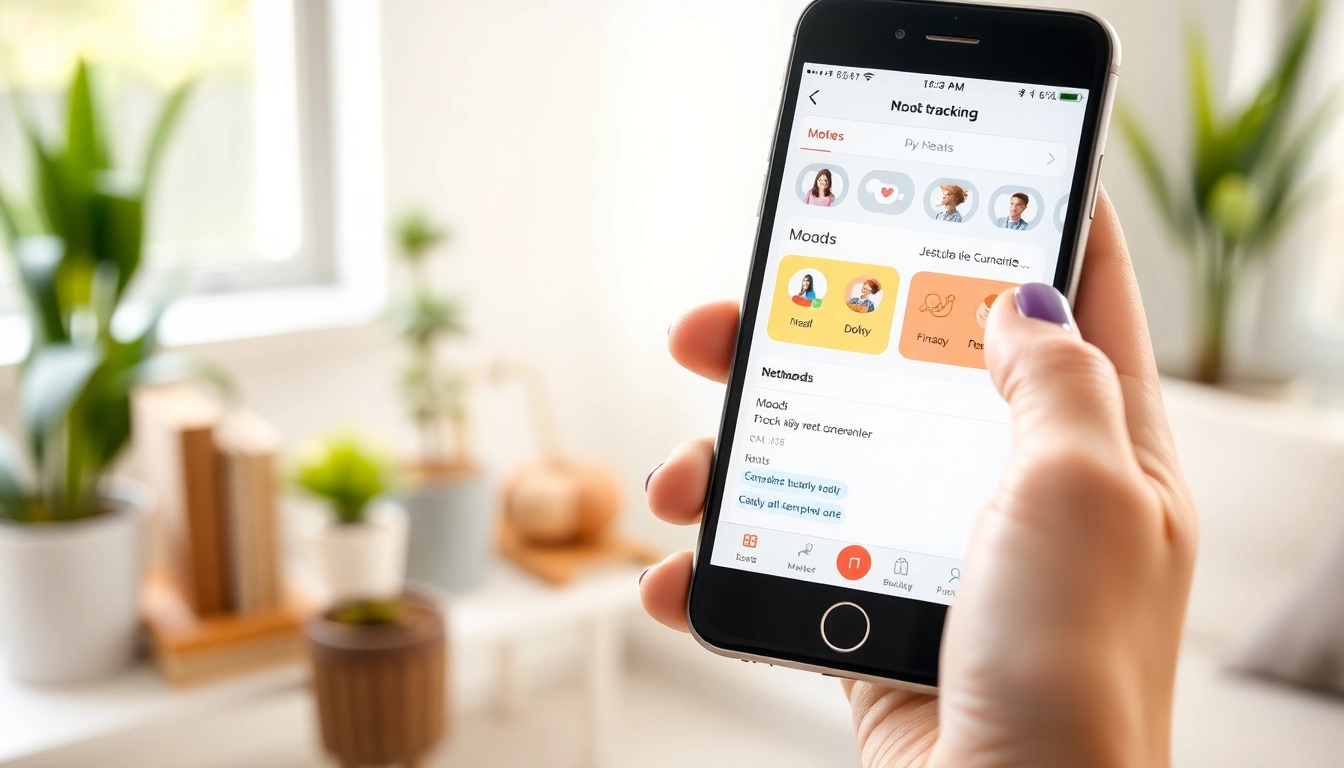
Understanding the Need for a Mood Tracker for Mothers
Motherhood poses unique emotional challenges, often accompanied by significant mental health concerns. A Mood tracker for mothers serves as a crucial tool to help women navigate these complexities by tracking emotions and identifying patterns that affect their mental wellness. This understanding is essential for mothers seeking healthy coping mechanisms and emotional balance.
Why Mood Tracking Matters for Mental Health
Mood tracking is a well-established practice rooted in behavioral psychology that offers numerous benefits. Tracking moods can lead to greater self-awareness, helping mothers pinpoint specific triggers related to their emotional highs and lows. Understanding these trends is key in reducing symptoms of postpartum depression, anxiety, and stress. Moreover, keeping a mood log enhances communication with healthcare providers, enabling personalized support and intervention strategies based on documented emotional journeys.
Common Emotional Challenges Faced by Mothers
Mothers can encounter a myriad of emotional challenges, especially with new responsibilities and shifts in personal identity. Common issues include:
- Postpartum depression and anxiety
- Stress from juggling childcare and household duties
- Feelings of isolation and loneliness
- Loss of personal time and space
- Intensity of bonding and emotional attachment to the child
Recognizing these challenges and their respective emotional responses is critical for mothers to reclaim their mental health and wellness.
How a Mood Tracker Can Support You
A mood tracker can facilitate support in several substantial ways:
- Identifying Patterns: It helps identify emotional patterns over time, thereby enabling mothers to recognize what influences their moods.
- Encouraging Reflection: By regularly noting feelings, mothers engage in self-reflection, which is vital for personal growth and understanding.
- Empowering Action: A mood tracker empowers mothers to take actionable insights to improve their mental health and reach out for help when needed.
Features to Look for in a Mood Tracker for Mothers
When selecting a mood tracker, it’s essential to focus on specific features that cater to the unique needs of mothers. A robust tracker should be intuitive, feature-rich, and adaptable.
User-Friendly Interface and Design
A user-friendly design ensures that mothers can easily navigate the app without added stress. Look for a simplistic layout, clear visuals, and easy-to-use functions that do not demand excessive time or attention. A daily check-in feature that reminds users to log their moods can be beneficial in maintaining consistency.
Integration with Other Health Tools
Integration with other health apps or tools enhances the value of a mood tracker. For instance, a tracker that links with sleep, diet, and exercise apps offers a holistic view of health, allowing mothers to see how lifestyle choices affect their emotional wellness.
Customizable Mood Logs and Metrics
Every mother’s emotional landscape is unique. A good mood tracker should allow for customization of mood logs and metrics. Features could include adding specific moods, journaling spaces for reflections, and tracking additional factors like sleep quality, physical health, and stressors.
How to Effectively Use a Mood Tracker for Mothers
Using a mood tracker effectively requires commitment and strategy. Here are key approaches to consider:
Setting Realistic Goals for Tracking
When starting, it’s important to set realistic and achievable goals. Instead of overwhelming oneself with the need to track every detail, focus on establishing a routine that allows for gradual integration of mood tracking into daily life. Start with a commitment to log moods two to three times a week and adjust as needed.
Regular Check-Ins and Reflections
Incorporating a scheduled time for mood checks into a daily routine aids consistency. Reflection on logged data can reveal patterns over time, offering insights into periods of heightened distress or joy correlating with specific events or environments.
Sharing Insights with Your Support System
Sharing insights from your mood tracking can foster understanding and support. Whether it’s with partners, family, or therapists, discussing trends and emotions can enhance relationships and provide a wider network of emotional support.
Popular Mood Tracker Apps for Mothers
In the market, there are various mood tracker apps tailored for mothers. These apps vary in features, accessibility, and community support.
Comparing Features and Benefits
When evaluating different apps, consider aspects such as user ratings, feature distribution, and ease of use. Utilize comparison charts readily available online to understand how they stack against each other in terms of functionality and user experience.
Cost and Accessibility Considerations
Many mood trackers offer free versions, while others require a subscription for premium features. Weigh the necessity of additional features against the budget to choose the best option without unnecessary spending. Prioritize apps with proven results and positive community feedback.
User Reviews and Testimonials
User reviews provide real-world insights into the effectiveness of mood tracking apps. Seek testimonials from other mothers to find what applications have been most beneficial in offering emotional support, building community, and encouragement.
FAQs About Mood Tracker for Mothers
What is a mood tracker?
A mood tracker is a tool used to monitor and document emotional states over time, helping individuals identify triggers and patterns in their moods.
How can mood tracking benefit mothers?
Mood tracking allows mothers to gain self-awareness, identify emotional triggers, and communicate effectively with healthcare professionals regarding their mental health.
Are there free mood tracker apps available?
Yes, many mood tracker apps offer free versions with basic features, making them accessible for mothers looking to monitor their emotional health without a financial burden.
How often should I record my mood?
Recording your mood daily is ideal for capturing fluctuations, but starting with two to three times a week can help establish consistency without feeling overwhelmed.
Is it helpful to share my mood tracking with a therapist?
Absolutely! Sharing mood tracking data with a therapist offers a deeper understanding of your emotional patterns and can guide therapeutic conversations and interventions.