
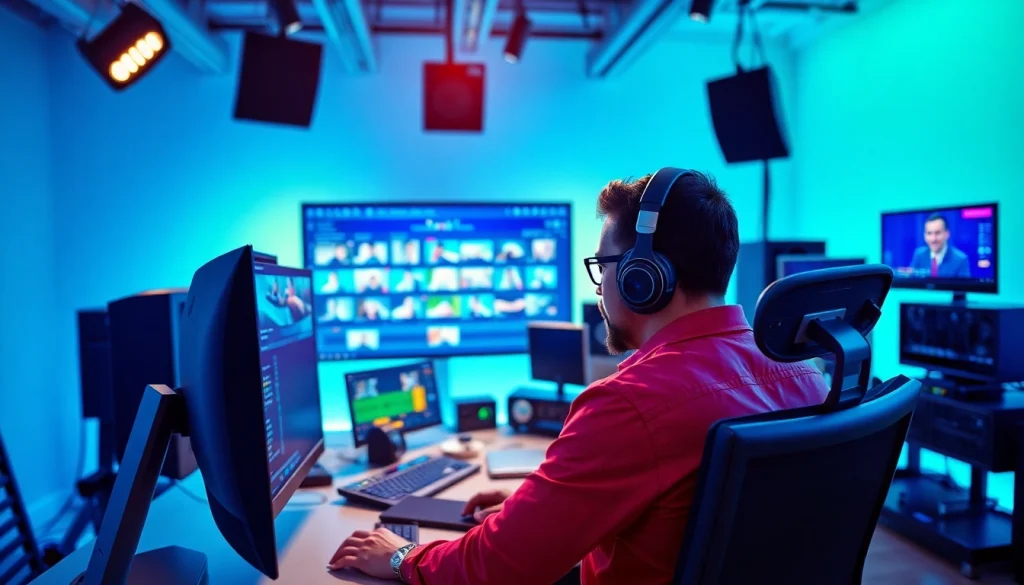
Understanding the Role of Professional Video Editors
In today’s visually-driven world, video content is paramount. Professional video editors play a crucial role in this ecosystem. Employed by companies, creative agencies, and independent creators, these specialists turn raw footage into compelling visual narratives that inform, entertain, and engage audiences. Whether it’s for a social media ad, a documentary, or a full-length feature film, understanding the function of these editors is essential for anyone looking to enhance their content creation process. A talented professional video editor can elevate the quality of any project, making it essential for businesses and individuals alike to comprehend what they do.
What Do Professional Video Editors Do?
At its core, video editing involves assembling raw footage into a coherent, polished product. However, the tasks of professional video editors extend far beyond simple cut-and-paste operations. They are responsible for:
- Editing Footage: This involves cutting, rearranging, and assembling video clips to create a finished product.
- Color Correction: Editors adjust colors, brightness, and contrast to ensure visual consistency across scenes.
- Sound Design: They incorporate sound effects, voiceovers, and music, enhancing the auditory experience.
- Adding Special Effects: Editors often use digital effects to enhance storytelling, making scenes more visually appealing or dramatic.
- Story Development: Good editors have a strong sense of narrative structure and can help shape the story through their edits.
The Skill Set of Professional Video Editors
Becoming a successful video editor requires a diverse skill set. Key competencies include:
- Technical Proficiency: Mastery of video editing software like Adobe Premiere Pro, Final Cut Pro, or Avid Media Composer is essential.
- Creativity: An eye for detail and a creative approach to storytelling is crucial for effective editing.
- Communication: Editors must collaborate with directors, producers, and clients to align on the vision for the project.
- Time Management: The ability to meet deadlines while delivering high-quality work is critical in a fast-paced environment.
Common Tools and Software Used by Video Editors
Professional video editors use a variety of software tools throughout the editing process. Here are some of the most common options:
- Adobe Premiere Pro: Widely used in the industry, it offers a comprehensive suite of editing tools.
- Final Cut Pro: Preferred by many Mac users, it is known for its intuitive interface and powerful features.
- DaVinci Resolve: Offers advanced color correction capabilities along with editing and audio post-production tools.
- Avid Media Composer: A staple in professional film and television editing, focusing on collaborative workflows.
- iMovie: While more entry-level, this user-friendly option is popular among enthusiasts and beginners.
Benefits of Hiring Professional Video Editors
Investing in a professional video editor yields several distinct advantages that can significantly affect the quality of a project.
Quality Enhancement of Your Video Projects
One of the most significant benefits of hiring a professional video editor is the enhancement of the overall quality of your video projects. Experienced editors possess advanced skills and a nuanced understanding of what makes a video engaging and impactful. They can pinpoint and eliminate amateur errors, enhance storytelling components, and ensure the final product feels polished and professional.
Time-Saving Advantages with Professionals
Attempting to edit a video without the right skills and experience can lead to significant time waste. By hiring a professional, you can focus on other essential tasks while they efficiently manage video edits. This can be crucial, particularly for businesses trying to meet tight deadlines or content frequency schedules.
Access to Advanced Techniques and Equipment
Professional editors often have access to sophisticated software, plugins, and hardware that can dramatically increase the production value of a video. From advanced motion graphics to high-quality sound, their resources and knowledge allow them to implement techniques that might be inaccessible to less experienced creators.
How to Choose the Right Professional Video Editor
With the importance of video editing established, selecting the right professional for your project becomes paramount. Below are critical factors to consider when making this decision.
Evaluating Experience and Specializations
Not all video editors are created equal; each will have unique strengths and weaknesses. It’s important to evaluate their past work and see if their style aligns with your vision. Some may specialize in corporate videos while others might focus on wedding films or educational content.
Understanding Pricing Structures for Video Editing
Budget is always a factor; understanding how different editors charge for their services is crucial. Costs can be structured per hour, per project, or by the minute of edited video. Generally, hiring a skilled professional might range from $30 to $150+ per hour depending on their expertise and the complexity of the project.
Checking Client Reviews and Portfolios
Before making a decision, review testimonials from previous clients and examine their portfolios. Look for quality, creativity, and styles that resonate with your project. Engaging with past clients can also provide insight into their experiences and the editor’s professionalism.
Typical Costs of Professional Video Editing Services
Understanding the typical costs involved in hiring a professional video editor will help you achieve better budgeting and planning for your project.
Comparing Rates from Different Professionals
Rates can vary widely based on location, demand, and the editor’s experience. For basic editing tasks, charges might start as low as $10 per minute, while professional and advanced editing might range from $50 to $150 per minute. Comparing rates from multiple editors can help find a balance between quality and budget.
Factors Influencing Video Editing Costs
Several factors can influence the cost of video editing services:
- Project Complexity: The more complex the project, the higher the cost.
- Editor’s Experience: Highly experienced editors will charge more due to their expertise.
- Turnaround Time: Rush jobs may incur additional costs due to the urgency.
- Localization Needs: Adding subtitles or translations can increase editing times and costs.
Budgeting for Quality Video Editing
When budgeting for video editing, it’s essential to strike a balance between quality and cost. Cheap services might save you money initially but can lead to poorer quality results that might require additional editing or even redo, costing more in the long run.
Future Trends in Video Editing and Production
As technology progresses, so too does the field of video editing. Staying abreast of the latest trends can help inform your choices when hiring a professional editor.
Emerging Technologies in Video Editing
New tools and technologies are emerging that promise to significantly change the landscape of video editing. Virtual reality (VR), augmented reality (AR), and 360-degree video are becoming more prevalent, requiring editors to adapt their skills and workflows.
The Impact of AI on Video Editing Services
AI tools are increasingly being integrated into video editing software, enhancing efficiency through automatic scene detection, sound syncing, and even intelligent editing suggestions. Editors who can leverage these tools may find themselves at an advantage over those who rely solely on traditional techniques.
What Clients Should Expect in 2026 and Beyond
As we look into the future, clients should anticipate that the demand for high-quality video content will continue to grow, alongside an increase in the types of content being produced. Editors will need to embrace innovative techniques, storytelling methods, and the latest technology to remain competitive in the evolving landscape.