
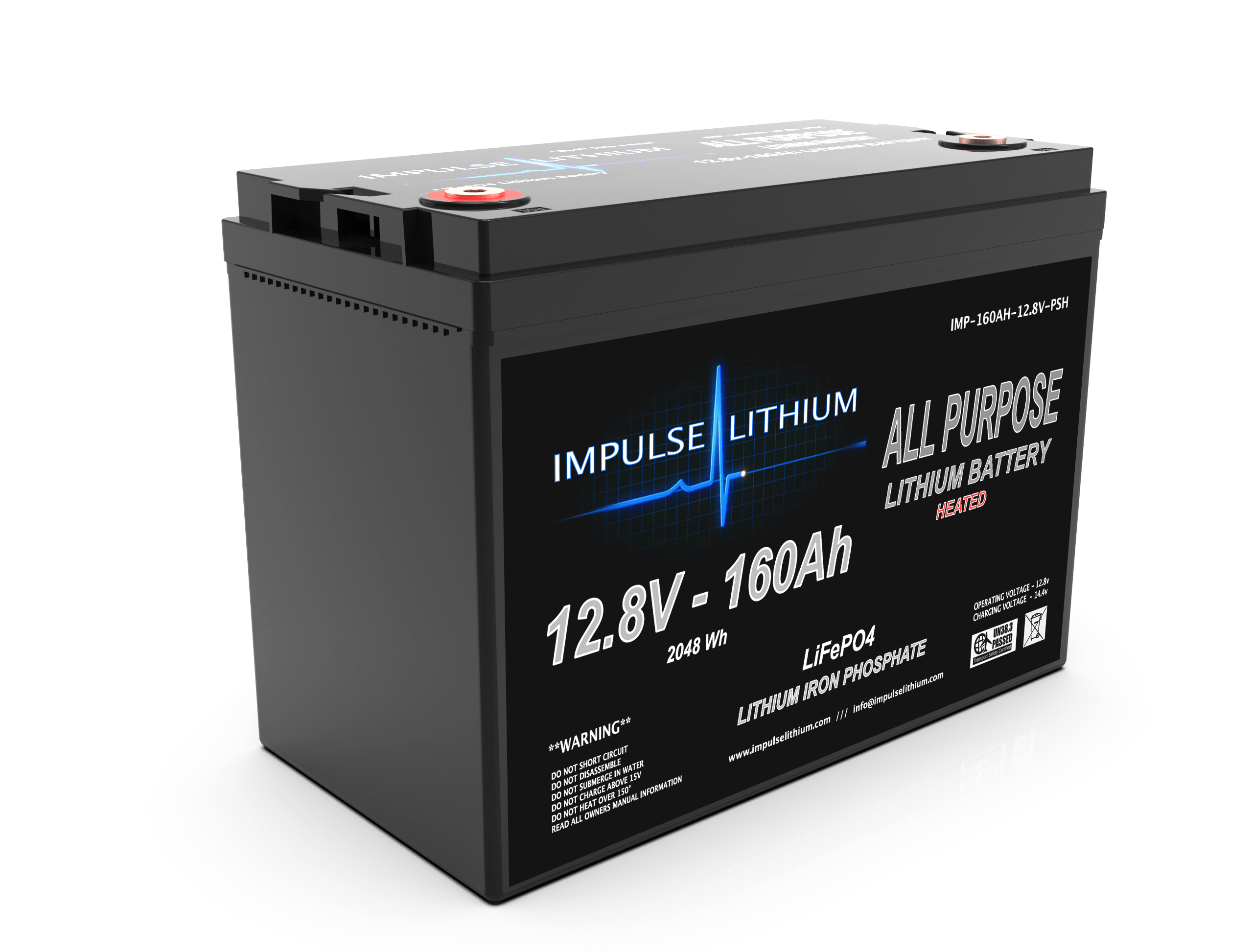
Modern energy systems depend heavily on lithium batteries, yet many buyers still wonder what actually happens inside these powerful storage units. Understanding the inner workings of Lithium batteries helps you make smarter purchasing decisions, especially for industrial, commercial, and renewable energy projects. This eszoneo guide explains the technology in simple terms—no engineering degree needed.
- The Basic Chemistry Behind Lithium Battery Operation
- Key Components Inside a Lithium Battery
- Why Lithium Ions Are So Effective
- Charging and Discharging Explained
- The Role of the Battery Management System
- Different Types of Lithium Battery Chemistries
- How Energy Density Makes Lithium Batteries Superior
- Longevity and Cycle Life
- Conclusion
The Basic Chemistry Behind Lithium Battery Operation
At the core, lithium batteries work by moving lithium ions between two electrodes: the anode and the cathode. When the battery charges, ions travel from the cathode to the anode. During discharge, the ions move back to the cathode, creating electrical energy. This reversible movement is what makes lithium batteries highly efficient and capable of delivering stable power.
Key Components Inside a Lithium Battery
Every battery contains four essential parts:
- Anode (usually graphite)
- Cathode (made from materials like LFP, NMC, or LCO)
- Electrolyte (a solution that carries lithium ions)
- Separator (keeps electrodes from touching)
These components work together to ensure lithium batteries operate safely while delivering high performance.
Why Lithium Ions Are So Effective
Lithium is the lightest metal and has a very high electrochemical potential. This allows lithium batteries to store more energy in a smaller space compared to older technologies. The lightweight structure and fast ion movement also contribute to faster charging speeds and longer cycle life.
Charging and Discharging Explained
When charging, energy pushes lithium ions into the anode where they are stored. When the battery is used, the ions move back and create a flow of electrons that powers your device or system. This smooth process is why lithium batteries provide steady voltage output without sudden drops.
The Role of the Battery Management System
A Battery Management System (BMS) monitors voltage, temperature, and current to keep everything balanced. The BMS prevents overcharging, overheating, and short circuits. Without a good BMS, lithium batteries would be unsafe to operate, especially in large-scale energy storage applications.
Different Types of Lithium Battery Chemistries
Not all lithium batteries use the same type of cathode material. LFP batteries are known for safety and long cycle life, while NMC batteries offer high energy density. Each chemistry affects performance, cost, and lifespan. Choosing the right type ensures the battery matches your project’s requirements.
How Energy Density Makes Lithium Batteries Superior
Energy density refers to how much energy a battery can store relative to its weight. Lithium batteries have higher energy density than lead-acid or NiMH options, meaning they last longer and deliver more power without increasing size. This makes them ideal for electric vehicles, solar systems, and portable devices.
Longevity and Cycle Life
Lithium-ion technology supports thousands of charge cycles with minimal performance loss. Over time, lithium batteries degrade slowly because their chemistry is more stable than traditional alternatives. This long lifespan makes them a cost-effective choice for industrial and commercial setups.
Conclusion
Understanding the basic technology behind lithium batteries helps buyers choose the right products for their needs. With efficient ion movement, strong energy density, and advanced safety features, lithium batteries deliver dependable performance across countless applications. Whether powering renewable energy systems or modern industrial equipment, lithium batteries stand out as the smart, long-term solution for today’s energy demands.