
Understanding Air Conditioning Systems
Air conditioning systems are essential in today’s world, providing comfort and maintaining air quality in homes and workplaces. Understanding these systems can help you make informed decisions regarding your comfort needs. This article will cover the various types of air conditioning units, their components, and energy efficiency ratings, enabling you to choose the best solution tailored to your environment.
Types of Air Conditioning Units
There are several types of air conditioning units, each designed for specific applications, ranging from residential home systems to large commercial installations. The most common types include:
- Window Air Conditioners: Ideal for single-room cooling, these units are placed in the window frame and are easy to install.
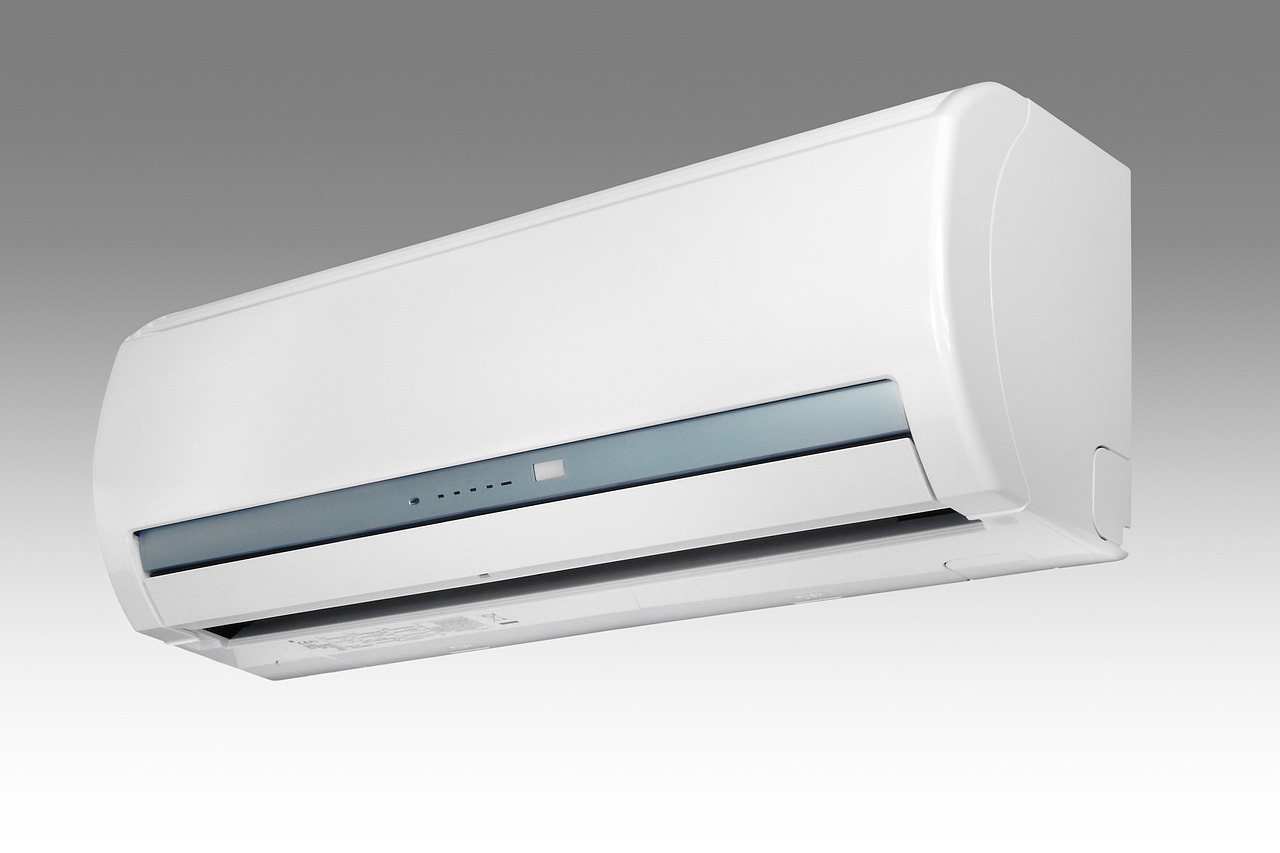
- Split Systems: Comprising an indoor and an outdoor unit, split systems are suitable for cooling multiple rooms without the need for ductwork.
- Central Air Conditioning: Designed for larger homes and commercial buildings, a central air system uses a network of ducts to distribute cool air throughout the entire building.
- Portable Air Conditioners: A flexible option for cooling small spaces, these units are moveable and do not require permanent installation.
- Smart Air Conditioners: Integrated with smart home technology, these AC units allow for remote control and energy management via smartphones.
Components of AC Systems
An air conditioning system is composed of several key components that work together to provide cooling and maintain indoor air quality:
- Compressor: This component pumps refrigerant through the system, compressing it to high pressure for effective heat exchange.
- Condenser: Located outside, the condenser dissipates heat from the refrigerant to the outside air.
- Evaporator: Found indoors, the evaporator absorbs heat from the indoor air, cooling it before circulating it back into the space.
- Expansion Valve: This controls the flow of refrigerant into the evaporator, regulating cooling efficiency.
- Air Filters: Used to purify the air by trapping dust and allergens, filters should be checked and replaced regularly to maintain efficiency.
Energy Efficiency Ratings
Energy efficiency is a crucial aspect of air conditioning systems, impacting both your energy costs and the environment. The following ratings help you assess efficiency:
- SEER (Seasonal Energy Efficiency Ratio): This rating measures the cooling efficiency of central air conditioning systems, with higher numbers indicating better efficiency.
- EER (Energy Efficiency Ratio): This rating is similar to SEER but is calculated under specific conditions, making it useful for comparing models.
- Energy Star Label: Products that meet strict energy efficiency guidelines set by the U.S. Environmental Protection Agency carry this label, ensuring a high level of efficiency.
Installation Services Offered by https://www.lancashireairconditioning.com
Proper installation is one of the most critical aspects of ensuring an air conditioning system functions effectively. The team at https://www.lancashireairconditioning.com specializes in providing thorough installation services that encompass a comprehensive process.
Pre-Installation Assessment
Before installing any air conditioning unit, it’s essential to conduct a thorough pre-installation assessment. This step involves evaluating the space, considering factors such as:
- Square footage of the area to be cooled
- Insulation quality and type
- Number of windows and doors
- Existing ductwork, if applicable
- Local climate and sunlight exposure
A qualified technician will utilize this information to recommend the most suitable AC unit that meets your needs and budget.
Professional Installation Techniques
Once the suitable air conditioning unit is selected, professional installation is carried out using industry best practices. Key steps include:
- Accurate Measurements: Ensuring correct sizing and placement of the unit for optimal efficiency.
- Ductwork Inspection: For central AC systems, existing ductwork is assessed and repaired if necessary to minimize air leaks.
- Secure Connections: All components, including electrical and refrigerant lines, are securely connected to ensure safety and reliability.
- Startup Testing: After installation, the system is thoroughly tested to confirm that it operates efficiently and effectively.
Post-Installation Support
After the installation process, post-installation support is vital. This support includes:
- Providing user manuals and system settings guidance.
- Scheduling maintenance checks to ensure the system operates efficiently over time.
- Offering troubleshooting assistance for any issues that arise shortly after installation.
Maintenance Tips for Optimal Performance
To ensure your air conditioning system remains in optimal condition and delivers consistent performance, regular maintenance is essential. Here are some effective maintenance tips:
Regular Cleaning and Filter Replacement
One of the simplest yet most effective maintenance tasks is to clean the air conditioner’s filters regularly. Dirty filters can restrict airflow, making the unit work harder and reducing its efficiency. Replace or clean filters every month during peak usage times to maintain optimal airflow and energy efficiency.
Seasonal Check-Ups and Tune-Ups
Schedule professional check-ups at least twice a year. These seasonal maintenance visits typically include:
- Inspecting and cleaning coils to maintain efficient heat exchange.
- Checking refrigerant levels and recharging if necessary.
- Inspecting electrical components for any signs of wear or damage.
Regular tune-ups can help identify potential issues before they become major problems and extend the lifespan of your unit.
Signs Your AC Needs Maintenance
Being proactive about maintenance can save you from costly repairs in the future. Look out for these signs indicating that your AC unit may require attention:
- Increased energy bills without a change in usage patterns.
- Strange noises coming from the unit during operation.
- Weak airflow or uneven cooling throughout your home.
- Unpleasant odors when the system is running.
Common AC Issues and Repairs
Even with regular maintenance, air conditioning units may experience issues over time. Understanding typical problems can aid in early detection and timely repairs. This section covers common AC issues, typical repair processes, and emergency repair services.
Identifying Problems Early
Early identification of issues can prevent further damage and costly repairs. Some common problems include:
- Inadequate Cooling: If your unit fails to cool the space effectively, check for blocked vents, low refrigerant levels, or compressor issues.
- Water Leaks: Leaks can occur due to clogged drains or improper installation, leading to water damage if not resolved quickly.
- Frequent Cycling: If the AC unit turns on and off frequently, it might indicate wrong sizing or duct issues that require immediate attention.
Typical Repair Processes
When an issue is detected, the repair process typically involves the following steps:
- Diagnosing the problem using specialized tools and expertise.
- Providing a detailed estimate before commencement of repairs.
- Carrying out necessary repairs with high-quality parts and materials.
- Testing the system post-repair to ensure it functions correctly.
Emergency Repair Services Explained
Emergency repairs may be necessary if your AC unit fails suddenly, particularly during extreme weather conditions. Services usually offered include:
- 24/7 availability for urgent situations, ensuring minimal downtime.
- Rapid response times to assess and address severe issues promptly.
- Comprehensive service that covers all potential problems, providing peace of mind during unexpected failures.
Choosing the Right Air Conditioning Service
Selecting the right service provider is critical to ensuring your air conditioning needs are met efficiently. Consider the following factors when evaluating potential contractors:
Evaluating Contractor Credentials
Before hiring an air conditioning service provider, check their credentials, which may include:
- Licensing and certifications that demonstrate expertise.
- Insurance coverage to protect against liability during work.
- Reputation, including reviews, references, and testimonials from past customers.
Questions to Ask Your Service Provider
When interviewing potential contractors, asking the right questions can help clarify their services. Important inquiries include:
- What HVAC brands do you service, and which do you recommend?
- Can you provide a detailed estimate with the breakdown of costs?
- What kind of warranty do you offer on installation and repairs?
Understanding Costs and Estimates
Be mindful of costs associated with air conditioning services. Understanding the pricing structure can help prevent unexpected expenses:
- Ask for a detailed estimate that outlines parts and labor to understand the total cost.
- Inquire about any additional fees or charges that may apply.
- Consider acquiring several estimates to compare offerings and choose the best fit for your budget and needs.