
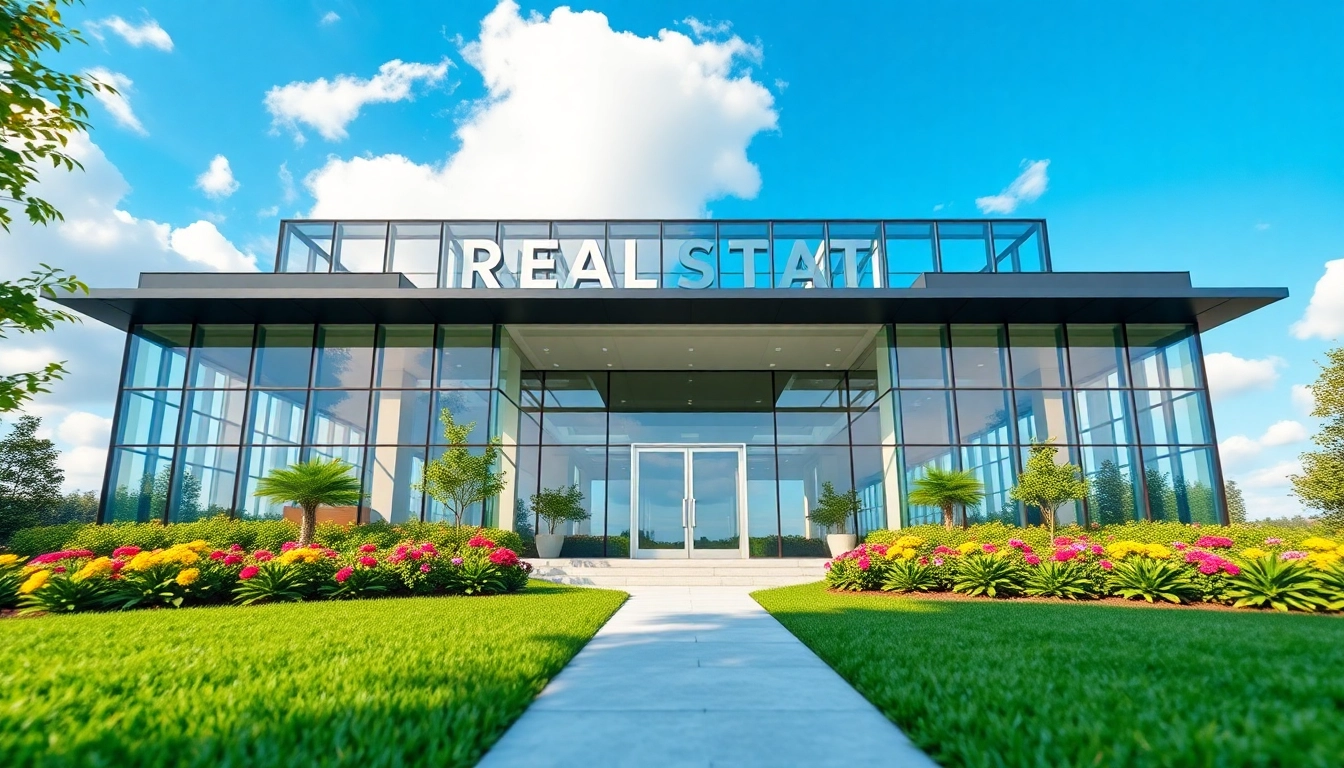
Understanding the Real Estate Market Dynamics
The world of Real Estate is complex and multifaceted, influenced by various factors that govern its operation. As investors, buyers, sellers, or even agents, understanding these dynamics is essential for making informed decisions in this sector. This section explores key trends, market segments, and geographic influences that shape the current real estate landscape.
Key Trends Shaping Real Estate Today
Real estate is continuously evolving, with numerous trends impacting how properties are bought, sold, and valued. Some key trends include:
- Remote Work Influence: The COVID-19 pandemic has accelerated the shift towards remote working arrangements, causing a notable migration from urban to suburban and rural areas. This trend has influenced home prices and demand in previously overlooked markets.
- Smart Homes: The rise of technology has brought smart home features into the limelight. Buyers now often look for properties equipped with modern technology, such as smart thermostats and security systems, which can add significant value to a property.
- Sustainability Focus: There is an increasing demand for environmentally friendly properties. Features that enhance energy efficiency, such as solar panels and sustainable building materials, are becoming more sought after.
- Housing Shortages: Many regions are facing housing shortages due to limited inventory. This scarcity is driving up prices and making it a competitive environment for buyers.
Market Segments: Residential, Commercial, and Industrial
The real estate market can be broken down into three primary segments: residential, commercial, and industrial. Understanding these segments helps in choosing investment strategies and identifying potential opportunities.
- Residential Real Estate: This segment includes homes for individuals and families, ranging from single-family houses to condominiums. The residential market is often driven by personal choice and lifestyle factors.
- Commercial Real Estate: Comprising properties used for business purposes, this segment includes office buildings, retail spaces, and warehouses. The commercial market tends to be influenced by economic conditions and business growth.
- Industrial Real Estate: This involves properties utilized for manufacturing, production, and logistics. As e-commerce continues to grow, the demand for warehouses and distribution centers is increasing.
Geographic Influences on Real Estate Prices
Real estate prices are not uniform; they greatly vary by location, influenced by a combination of economic conditions, local demand, and regulatory climates. Key geographic factors include:
- Urban vs. Suburban: Urban areas often command higher prices due to their proximity to amenities and employment opportunities. However, the suburban market is seeing increased interest as people seek more space.
- Local Economies: Economically prosperous regions with job growth typically witness higher real estate values. Areas with diverse industries fare better than those dependent on single sectors.
- Development Regulations: Local government regulations can significantly impact availability and pricing. Areas with restrictive zoning laws may not allow for new developments, keeping supply low and prices high.
Investment Strategies in Real Estate
Understanding investment strategies is crucial for anyone looking to build wealth through Real Estate. The method of investment can greatly impact returns and overall success in the market.
Long-term vs. Short-term Investments
Investors may choose between long-term and short-term strategies based on their financial goals and risk tolerance:
- Long-term Investments: Typically involve purchasing properties to hold for several years, benefiting from property appreciation, rental income, and tax advantages. Long-term investments require patience and a solid understanding of market cycles.
- Short-term Investments: These strategies include practices like flipping houses, where properties are bought, renovated, and sold quickly for a profit. Short-term investors must have keen market insight and strong renovation skills to succeed.
Real Estate Investment Trusts (REITs) Explained
Real Estate Investment Trusts (REITs) offer a way for individuals to invest in real estate without directly buying properties. Here’s what you need to know about REITs:
- What are REITs? REITs are companies that own, operate, or finance income-producing real estate. They allow investors to buy shares in large, diversified portfolios, typically with lower initial investments than traditional real estate purchases.
- Benefits of REITs: REITs provide dividend income and potential for capital appreciation, enabling investors to diversify their portfolios without the hassles of management and maintenance.
- Market Trends: Understanding market conditions is essential for REIT investors, as economic shifts can impact property values and rental rates.
Diversifying Your Real Estate Portfolio
Diversification in real estate is crucial for managing risk and maximizing returns. Here are strategies for building a diverse portfolio:
- Property Types: Invest in a variety of property types, including residential, commercial, and industrial, to balance your portfolio against market fluctuations.
- Geographic Diversity: Consider properties in different regions to mitigate risks associated with local economic downturns.
- Investment Vehicles: Utilize different investment vehicles such as direct ownership, REITs, and crowdfunding platforms to spread your investment across various channels.
Real Estate Transactions: A Step-by-Step Guide
Navigating real estate transactions can be daunting, but understanding the process can make it more manageable. This section provides a clear guide through various stages of buying or selling a property.
Understanding Purchase Agreements and Contracts
A purchase agreement is a legally binding document that outlines the terms of the sale. Key points to note include:
- Essential Components: Purchase agreements should detail the purchase price, deposit, closing date, and contingencies, such as financing or inspections.
- Negotiation: Be prepared to negotiate terms that are favorable while ensuring they are reasonable for the seller. Communication is key throughout this process.
- Legal Considerations: It is critical to have legal counsel review the purchase agreement to protect your interests and ensure compliance with state laws.
Navigating Financing Options for Real Estate
Understanding your financing options is essential for a successful transaction:
- Mortgage Loans: Traditional fixed-rate mortgages and adjustable-rate mortgages are common options, with various terms available based on financial needs.
- Alternative Financing: Explore options such as private loans, seller financing, and hard money loans if traditional financing is not available.
- Pre-approval: Getting pre-approved for a mortgage helps define your budget and strengthens your negotiation position.
Closing Procedures Explained
The closing process marks the final step in a real estate transaction. Key aspects include:
- Final Walk-Through: Before closing, conduct a final inspection of the property to ensure it is in the agreed condition.
- Closing Documents: Review and sign various documentation, including the closing disclosure, mortgage documents, and title insurance policies.
- Transfer of Ownership: After all documents are signed and funds are distributed, ownership is transferred, and the new owner can take possession.
Effective Marketing Strategies for Real Estate
Marketing is vital for real estate success, whether you’re selling a property or wanting to attract buyers or tenants. Here’s how to design a successful marketing strategy.
Building a Strong Online Presence
In today’s digital age, a robust online presence is crucial. Consider the following:
- User-Friendly Website: Your website should be visually appealing, easy to navigate, and mobile-friendly, reflecting your brand’s professionalism.
- High-Quality Content: Providing valuable insights, blogs, and market analysis can position you as a thought leader in real estate.
- SEO Strategies: Optimize your site for search engines by using relevant keywords, improving site speed, and securing quality backlinks. This will enhance your visibility in search results.
Utilizing Social Media in Real Estate Marketing
Social media platforms can reach a large audience and engage potential buyers:
- Targeted Advertising: Use Facebook and Instagram ads to target specific demographics based on interests, location, and home-buying behavior.
- Engaging Content: Share virtual tours, success stories, client testimonials, and market trends to captivate your audience.
- Community Involvement: Participate in local events and share these experiences on social media to foster community relationships and build trust.
Leveraging Virtual Tours and Open Houses
Offering virtual experiences can enhance buyer interest and expedite sales:
- Virtual Tours: Utilize 3D walkthroughs and video tours to provide prospective buyers with an immersive experience, allowing them to explore properties from the comfort of their homes.
- Open Houses: Schedule open houses to create buzz around a property. Promote these events through multiple channels to maximize attendance.
- Follow-Up: After virtual tours and open houses, follow up with attendees to answer questions and gauge interest, creating opportunities for further engagement.
Future Trends in Real Estate
As the Real Estate market continues to grow and adapt, understanding potential future trends is essential for staying ahead of the curve. This section will explore the future landscape of real estate.
The Impact of Technology on Real Estate
Technology is radically transforming real estate operations. Key impacts include:
- Blockchain Technology: Implementing blockchain can streamline transactions, enhance security, and reduce costs by eliminating the need for intermediaries.
- Artificial Intelligence: AI tools can analyze market trends, predict property values, and automate administrative tasks, increasing efficiency and accuracy.
- Big Data: Utilizing big data analytics can provide insights into buyer behavior, allowing for better-informed decision-making and targeted marketing efforts.
Sustainable Practices in Real Estate Development
The move towards sustainability is evident in new developments and renovations. Key sustainable practices to watch for include:
- Green Certifications: Properties that meet specific environmental standards can gain green certifications, appealing to eco-conscious buyers.
- Energy-Efficient Designs: New construction projects are increasingly integrating energy-efficient designs and materials that reduce environmental impact while saving owners on energy costs.
- Community Planning: Sustainable communities are prioritizing public transport accessibility, walkable neighborhoods, and preserving green spaces to improve quality of life.
Market Predictions for the Next Decade
Predicting the future of real estate involves considering various macroeconomic factors:
- Interest Rate Trends: Monitor interest rates, as fluctuations can have substantial impacts on borrowing costs and, consequently, property demand.
- Demographic Shifts: Understanding generational shifts in preferences (e.g., Millennials and Gen Z entering the market) can guide focus in property development and marketing strategies.
- Urbanization Patterns: The trend of urbanization is expected to continue, though the pandemic may lead to a reevaluation of urban vs. suburban living preferences.