
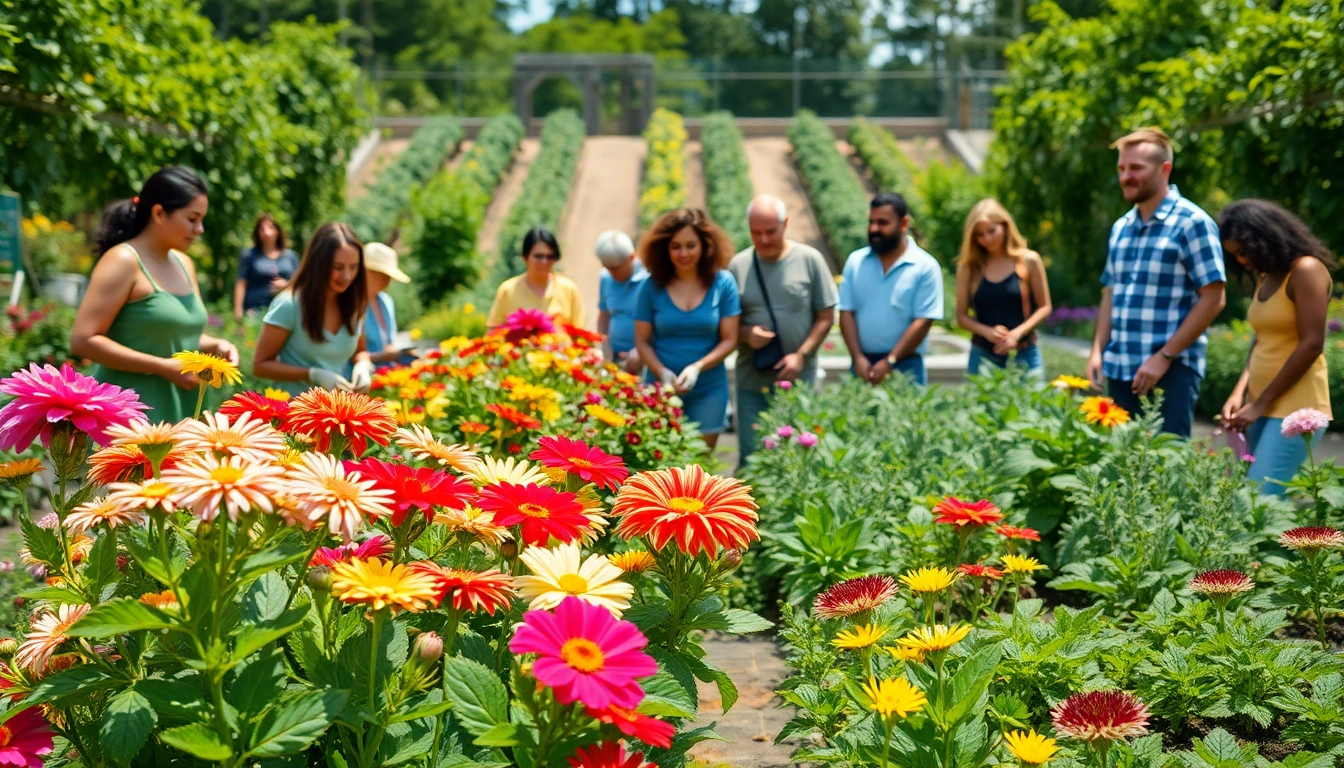
Understanding the Basics of Gardening
What is Gardening?
Gardening is a therapeutic and rewarding activity that involves cultivating plants within a designated space. This can range from flower beds and vegetable patches to indoor houseplants and community gardens. At its core, gardening is not merely about the act of planting seeds and waiting for them to flourish; it’s a holistic practice that encompasses soil health, plant selection, nurturing growth through water and sunlight, and maintenance to promote optimal health. Engaging in Gardening allows individuals to connect with nature, enhance their living spaces, and even yield edible produce right from their backyards.
The Importance of Soil Quality in Gardening
The foundation of any successful garden is quality soil. Healthy soil is a living ecosystem, containing a mix of organic matter, minerals, air, and water. It serves as the medium in which plants thrive and encompasses a combination of clay, sand, silt, and organic matter, including decomposed plant material known as humus. Good soil structure promotes aeration and drainage, allowing roots to grow deep and strong while also retaining the necessary nutrients and moisture.
To assess soil quality, perform a soil test that checks for pH levels, nutrient content, and microbial activity. Based on the test outcomes, you may need to amend your soil with materials such as compost, peat moss, or fertilizers to ensure optimal health for your plants. Remember that soil quality is not static; it can be improved over time with proper care, encouraging a thriving garden environment.
Choosing the Right Plants for Your Garden
Choosing the right plants is crucial to your gardening success. Consider factors like your climate zone, the amount of sunlight different areas of your garden receive, and the type of soil available. Native plants often offer the best results because they are adapted to local conditions and require less maintenance. When selecting plants, think about their growth patterns, heights, bloom times, and whether they are annuals or perennials.
Additionally, consider your gardening goals, such as whether you want to grow flowers for visual appeal, vegetables for consumption, or a mixture of both. Utilizing a garden planner can assist in visualizing your layout and determining optimal planting arrangements to achieve a well-balanced garden that flourishes year after year.
Essential Tools for Successful Gardening
Must-Have Gardening Tools for Beginners
Equipping yourself with the right tools is critical for efficient gardening. Here’s a list of essential tools every beginner should have:
- Hand Trowel: Perfect for digging small holes, planting seeds, and transplanting seedlings.
- Pruning Shears: Ideal for trimming and shaping plants, removing dead foliage, and encouraging new growth.
- Garden Fork: Effective for turning over soil and breaking up clumps.
- Gloves: Protect your hands from cuts, blisters, and dirt while gardening.
- Watering Can: Essential for keeping your plants hydrated, especially when starting seedlings indoors.
- Rake and Hoe: Useful for leveling soil and clearing debris from your garden space.
Using Technology in Gardening
Technology is increasingly playing a pivotal role in gardening. From smartphone apps that guide you through planting schedules to smart irrigation systems that deliver precise amounts of water based on real-time soil moisture readings, technology can streamline your gardening efforts. Drones can even survey your garden from above, providing useful insights on growth and health. Embracing tech tools can help optimize your garden space, track plant growth, and yield higher results.
Maintaining Your Gardening Tools
Proper maintenance of gardening tools extends their lifespan and ensures they work effectively. Regularly clean your tools after use to prevent rust and the spread of diseases among plants. For metallic tools, consider scrubbing off any dirt and debris, followed by applying a thin layer of oil to protect against moisture. Handle wooden tool grips with care and consider sanding them down or applying linseed oil to prevent wear and tear. A well-maintained toolbox not only promotes efficiency but can also make the gardening experience more enjoyable.
Best Practices for Plant Care
Effective Watering Techniques for Gardening
Watering is one of the most crucial aspects of plant care. Understanding when and how much to water can drastically affect your plants’ health. Generally, plants benefit from a deep watering less frequently, allowing the roots to grow deep and become resilient against drought. Early morning is the best time to water as temperatures are cooler, which reduces evaporation. When watering, direct the water as close to the root zone as possible, avoiding the foliage when feasible, to minimize diseases caused by staying wet.
The Role of Fertilizers in Gardening
Fertilizers provide essential nutrients for plants that may not be available in sufficient quantities in the soil. There are two main types of fertilizers: organic and inorganic. Organic fertilizers, such as compost or manure, enhance soil structure and supply a slow release of nutrients, promoting long-term health. Inorganic fertilizers, on the other hand, provide a quick nutrient boost but may not contribute to soil health over time.
Understanding the N-P-K (Nitrogen-Phosphorus-Potassium) ratio on fertilizer packaging allows you to choose the right product for your plants’ specific needs, whether for leafy greens, flowering plants, or root vegetables.
Common Pests and Solutions in Gardening
Every gardener encounters pests at some point. Common culprits include aphids, spider mites, and slugs, which can severely disrupt plant health. Integrated Pest Management (IPM) strategies combine cultural, biological, and chemical practices to minimize damage. For example, introducing beneficial insects like ladybugs can naturally control aphid populations, while maintaining proper plant spacing can improve air circulation and minimize mold and mildew.
Hand-picking larger pests and using organic insecticides can also be part of your arsenal. Being proactive through routine checks in your garden can prevent minor infestations from escalating.
Creating a Sustainable Gardening Environment
Composting Basics for Gardening
Composting is a sustainable practice that allows you to recycle kitchen scraps and yard waste into nutrient-rich soil amendments. To start a compost pile, you’ll want a mix of greens (nitrogen-rich materials) and browns (carbon-rich materials). Examples of greens include vegetable peels and grass clippings, while browns can consist of dried leaves and cardboard.
Maintain moisture in your compost pile and aerate it regularly to speed up decomposition. As the materials break down, you’ll create a black, crumbly substance that enriches your garden soil with nutrients and improves its texture.
Native Plants and Their Benefits in Gardening
Incorporating native plants into your garden design can lead to a sustainable and low-maintenance landscape. Native plants are adapted to local environments, making them resilient to pests and diseases, and more tolerant of drought and cold weather. They also support local wildlife, including pollinators such as bees and butterfly species. When selecting native plants, explore local nurseries that specialize in indigenous flora and consider your local climate and soil conditions for optimal integration.
Water Conservation Techniques for Gardening
Water conservation is critical, especially in areas prone to drought. Techniques like drip irrigation and using soaker hoses can deliver moisture directly to the root zone, reducing evaporation. Implementing mulch around plants will help retain moisture in the soil, and encourage deep rooting. Rainwater harvesting—a system of capturing and storing rainwater for future irrigation—can also play a significant role in minimizing water use while ensuring your plants thrive.
Enhancing Aesthetic Appeal in Gardening
Designing a Beautiful Garden Layout
A well-designed garden layout can enhance both functionality and beauty. Start by determining the focal points, such as a flowerbed, sculpture, or ornamental tree. Grouping plants with similar water and light needs together can streamline care while providing diverse textures and colors. Use paths to lead visitors through your space, creating a sense of discovery. Consider the seasonality of blooms to ensure your garden remains vibrant throughout different times of the year.
Incorporating Decorative Elements in Gardening
To elevate the visual appeal of your garden, consider incorporating decorative elements such as statues, fountains, or decorative trellises. These features can break the monotony of plant life and create areas of interest. Raised beds add dimension while also providing practicality—easier access for weeding and harvesting. Select decorations that resonate with your personal style, ensuring they harmonize with the plants you’ve chosen.
Seasonal Gardening Tips for Year-Round Beauty
To maintain a flourishing garden throughout different seasons, consider seasonal planting techniques. In the spring, focus on planting perennials and annuals to kickstart vibrant growth. Summer is prime for maintaining plant health through watering and feeding. In the fall, consider planting bulbs that will bloom in the spring, while winter may be the time for employing protective coverings for delicate plants and planning for the upcoming year. Emphasizing seasonal changes can add layers of beauty and interest to your outdoor space.