
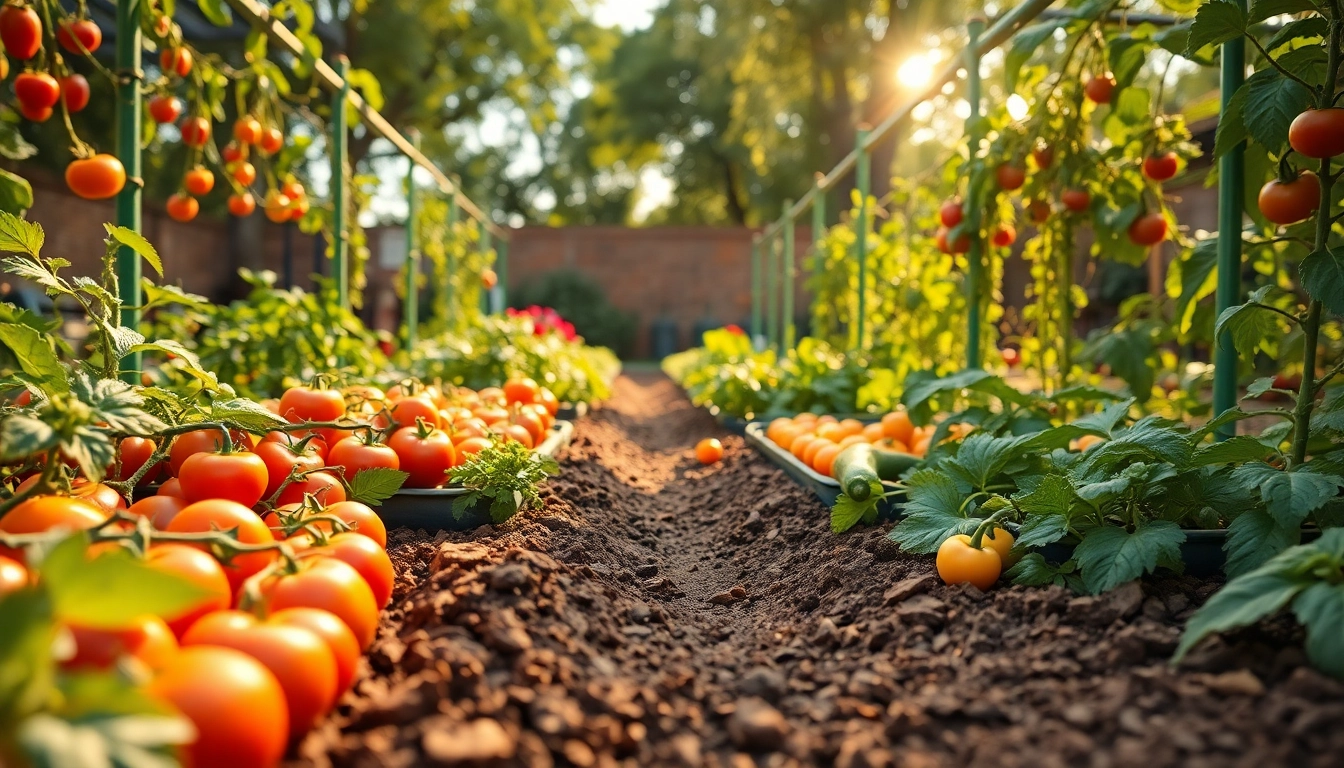
Introduction to Gardening Basics
Gardening is a delightful and rewarding endeavor that allows individuals to nurture nature while benefiting from its fruits and flowers. From home gardens bursting with vibrant colors to community plots that foster connections, Gardening is more than just a hobby; it’s a lifestyle choice that promotes health, sustainability, and creativity. This article will guide you through the essential components of gardening, touching on various styles, tools, techniques, and maintenance tips tailored for both beginners and experienced gardeners alike.
Understanding Different Gardening Styles
Gardening can be categorized into various styles, each presenting unique aesthetics and functionalities. Understanding these can help you select the best approach for your space, climate, and personal preferences.
- Vegetable Gardening: Focuses on producing edible plants. It’s perfect for those wanting to grow their food and engage actively with sustainability.
- Flower Gardening: Emphasizes the aesthetic appeal of plants, showcasing blooms throughout various seasons. Flower gardening often involves planning for color themes and seasonal displays.
- Herb Gardening: Concentrates on growing herbs, which can be culinary or medicinal. These gardens may be compact, making them ideal for balconies or small yards.
- Landscape Gardening: Involves designing broader outdoor spaces, integrating hardscape elements like paths and structures to create a holistic environment.
- Container Gardening: Suitable for those with limited space, this style uses pots to grow plants on patios, balconies, or even indoors.
Essential Tools for Gardening
Having the right tools can transform your gardening experience from tedious to enjoyable. Here is a list of essential tools that every gardener should consider:
- Hand Trowel: Ideal for planting, transplanting, and digging in small spaces.
- Pruning Shears: Essential for trimming and shaping plants, as well as removing dead branches.
- Garden Fork: Useful for breaking up soil and turning compost.
- Watering Can: A versatile tool for watering plants, ensuring they receive adequate hydration.
- Rake: Helps in removing debris from garden beds and leveling soil before planting.
Choosing the Right Location for Your Garden
The success of your gardening efforts largely depends on selecting an appropriate location. Here are several critical factors to consider:
- Sunlight: Most plants require at least 6-8 hours of sunlight a day. Observe your yard throughout the day to identify sunlight patterns.
- Soil Quality: Soil composition impacts plant health. Look for rich, loamy soil with good drainage.
- Accessibility: Ensure that your garden is easily accessible for maintenance and harvesting.
- Proximity to Water: Having a reliable water source nearby is crucial for plant care, especially during dry spells.
Soil Preparation for Optimal Gardening
Soil preparation is critical for a thriving garden, as it provides the foundation for plants to grow. Preparing the soil involves understanding its composition and improving its structure to promote healthy root systems.
Identifying Soil Types and Their Benefits
There are various types of soil, each with its benefits and challenges:
- Sandy Soil: Drains quickly, allowing for root aeration, but requires frequent watering and fertilization.
- Clay Soil: Retains moisture but may lead to waterlogging. Amending with organic matter can improve texture and drainage.
- Silt Soil: Often fertile and retains moisture well but may compact easily. Regular cultivation can help maintain its structure.
- Loamy Soil: A combination of sand, silt, and clay that is ideal for most plants, providing a balance of drainage and nutrient retention.
Improving Soil Health with Organic Matter
Enhancing soil health can be achieved by incorporating organic matter, which improves texture and nutrient content:
- Compost: Rich in nutrients and beneficial microorganisms, compost enhances soil structure and fertility.
- Mulch: Organic mulches, such as straw or wood chips, help retain soil moisture and suppress weeds.
- Green Manures: Cover crops, such as clover or rye, can be planted to enrich soil when not cultivated for immediate use.
Testing Soil pH and Nutrient Levels
Understanding soil pH and nutrient levels is vital for plant growth. Here’s how you can test and amend your soil:
- pH Testing Kits: Easily available at garden stores, these kits will inform you if your soil is acidic, neutral, or alkaline—important for plant choice.
- Nutrient Testing: Test for key nutrients, especially nitrogen, phosphorus, and potassium. Soil amendments can then be applied as needed.
Plant Selection and Placement in Gardening
Choosing the right plants and knowing where to place them within your garden is crucial for maximum yield and health.
Deciding Between Seeds and Seedlings
When starting a garden, you can choose to plant seeds or seedlings. Each method has pros and cons:
- Seeds: More cost-effective and offer a wider variety of plants. However, they require more time and care to germinate.
- Seedlings: Provide a head start and reduce the waiting period for harvest, but can be more expensive and limited in variety.
Companion Planting for Pest Control
Companion planting involves strategic plant combinations to enhance growth and deter pests. Some common pairings include:
- Marigolds with Vegetables: Deter pests like nematodes and aphids.
- Basil with Tomatoes: Enhances flavor and repels harmful pests.
- Beans with Corn: Beans fix nitrogen in the soil, benefiting the corn’s growth.
Planning for Seasonal Planting Success
Seasonal planning is critical for maximizing your garden’s productivity:
- Spring Planting: Ideal for cool-season crops like lettuce and peas.
- Summer Planting: Warm-season crops, such as tomatoes and peppers, thrive in these months.
- Fall Planting: Consider overwinter crops like garlic or cover crops to enrich soil.
Watering and Care Techniques for Gardening
Proper watering and consistent care are integral to the plants’ success, making it essential to establish a routine that suits your garden’s needs.
Effective Watering Strategies for Different Plants
Plants have varying water needs, impacted by their growth stage, climate, and type. Here’s how to ensure proper watering:
- Deep Watering: Encourage roots to grow deep by watering thoroughly but less frequently.
- Drip Irrigation: This method provides consistent moisture directly to the root zone, minimizing waste.
- Rainwater Collection: Harvesting rainwater can be an eco-friendly way to water your garden.
Pest Management in a Sustainable Gardening Approach
Managing pests is a challenge every gardener faces. Adopting a sustainable approach can help reduce the need for chemical pesticides:
- Physical Barriers: Use row covers, nets, or physical traps to protect plants from pests.
- Natural Predators: Attract beneficial insects like ladybugs and lacewings, which can help manage pest populations.
- Neem Oil: A natural pesticide that’s effective against various insect pests and fungal diseases.
Understanding Fertilizers and When to Use Them
Fertilizers provide essential nutrients to plants, which can be supplied through synthetic or organic means. Key considerations for fertilizer use include:
- Nitrogen: Promotes leafy growth. Useful for leafy greens and grass.
- Phosphorus: Encourages root development and flowering. Important for fruits and flowering plants.
- Potassium: Enhances disease resistance and improves overall plant health.
Harvesting and Maintaining Your Gardening Success
Harvesting is the climax of the gardening process, followed by maintaining the garden for future seasons. Employing best practices will enhance your gardening journey.
Indicators of Readiness for Harvesting
Knowing when to harvest is vital for optimal flavor and nutrition:
- Color Change: Many fruits and vegetables change color as they ripen, indicating readiness.
- Size: Monitoring plant sizes can help determine when they are ready for harvest.
- Texture: Fingertip test for firmness can provide insights for some crops.
Best Practices for Post-Harvest Handling
Proper handling post-harvest can prolong storage life and quality:
- Cleaning: Gently wash produce to remove soil and pests.
- Storing: Keep in appropriate environments, considering each plant’s storage needs to prevent spoilage.
Continuing Care for Future Planting Seasons
After a successful harvest, sustaining the garden for future seasons is vital:
- Soil Amendments: Adding compost and organic matter back into the soil after harvesting keeps it nutrient-rich.
- Crop Rotation: Alter planting locations each season to prevent soil depletion and reduce pests.
- Planning for Next Season: Assess what worked well and what didn’t to make informed decisions for future planting.